LIBRARY MANAGER
Console-based library system in Java.
OVERVIEW
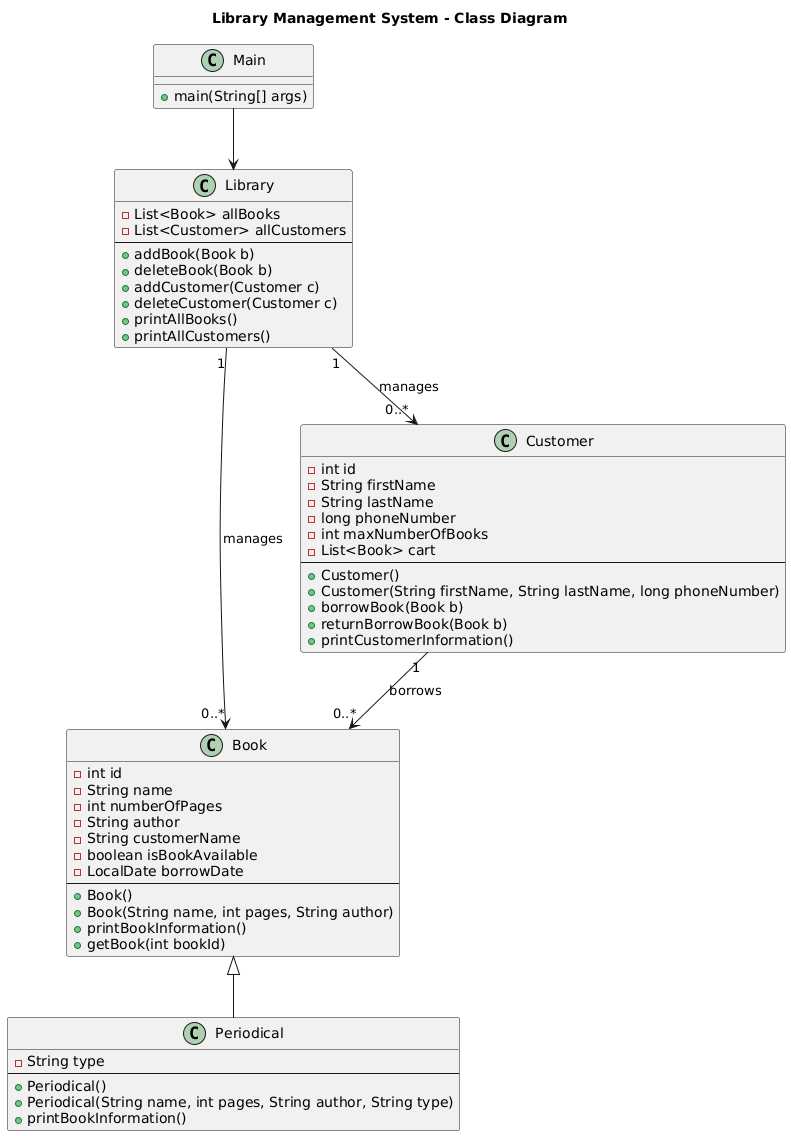
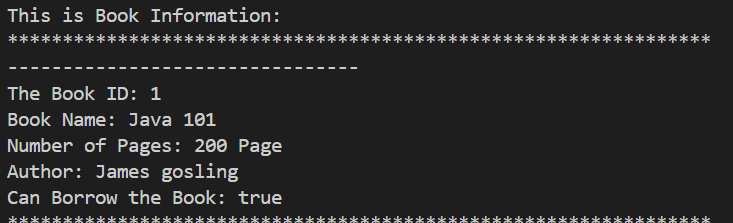
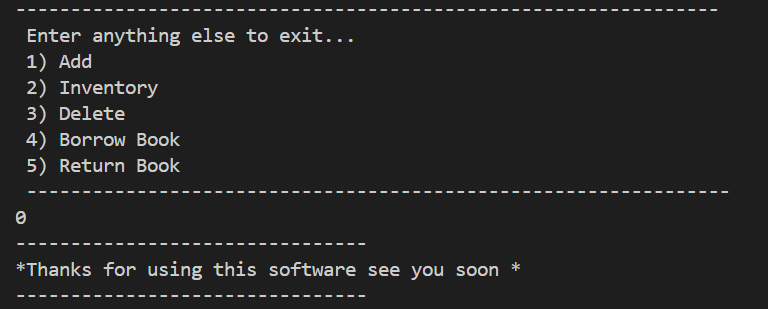
A comprehensive, console-based Library Management System engineered entirely in Java. This architecture was meticulously designed to demonstrate advanced Object-Oriented Programming (OOP) paradigms—including Encapsulation, Inheritance, and Polymorphism—independent of a graphical user interface. It serves as a robust backend framework, illustrating how complex entity relationships, borrowing constraints, inventory tracking, and dynamic customer profiles can be modeled effectively using pure programmatic logic and architectural best practices.


KEY FEATURES
- ▸ Robust Cataloging: Efficiently structure and manage diverse inventory, including books and periodicals.
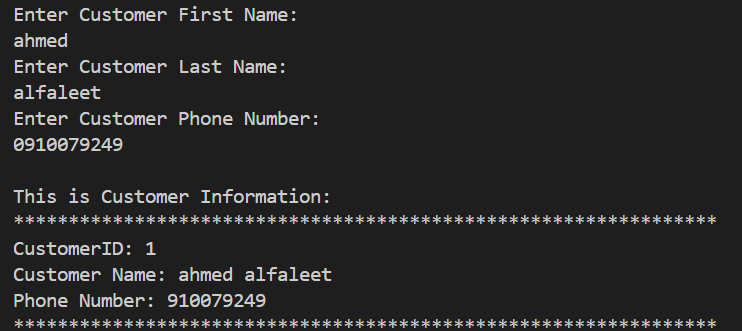
- ▸ Identity Management: Securely register, authenticate, and manage dynamic customer profiles.
- ▸ Query Mechanisms: Implement rapid search protocols for locating specific library assets.
- ▸ OOP Architecture: Employ clean software design utilizing Encapsulation, Inheritance, Abstraction, and formalized Class Relationships.
PROJECT STRUCTURE
The codebase is organized cleanly to separate concerns and maintain readability:
library-management-system-java-noGui/
│
├── library/
│   ├── Book.java
│   ├── Periodical.java
│   ├── Customer.java
│   ├── Library.java
│   └── Main.java
│
├── Documentation/
│   └── Project_Documentation.docx
│
├── README.md
├── LICENSE
└── .gitignore
HOW TO RUN
This is a standard Java console application with no external dependencies. To run it locally:
1. Compile the source code:
javac library/*.java
2. Execute the main program:
java library.Main
SYSTEM ARCHITECTURE & LOGIC
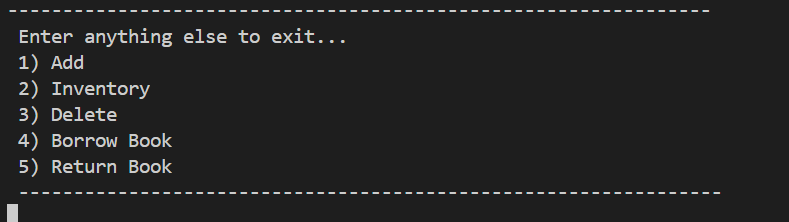
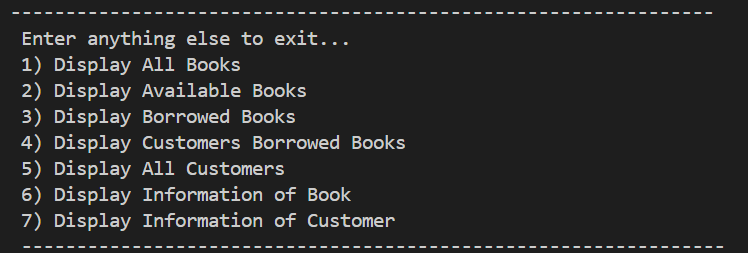
The system was implemented following a clear three-step methodology to simulate real library operations.
OOP CONCEPTS APPLIED
Periodical class extends the Book baseline to maximize code reuse and eliminate redundancy.